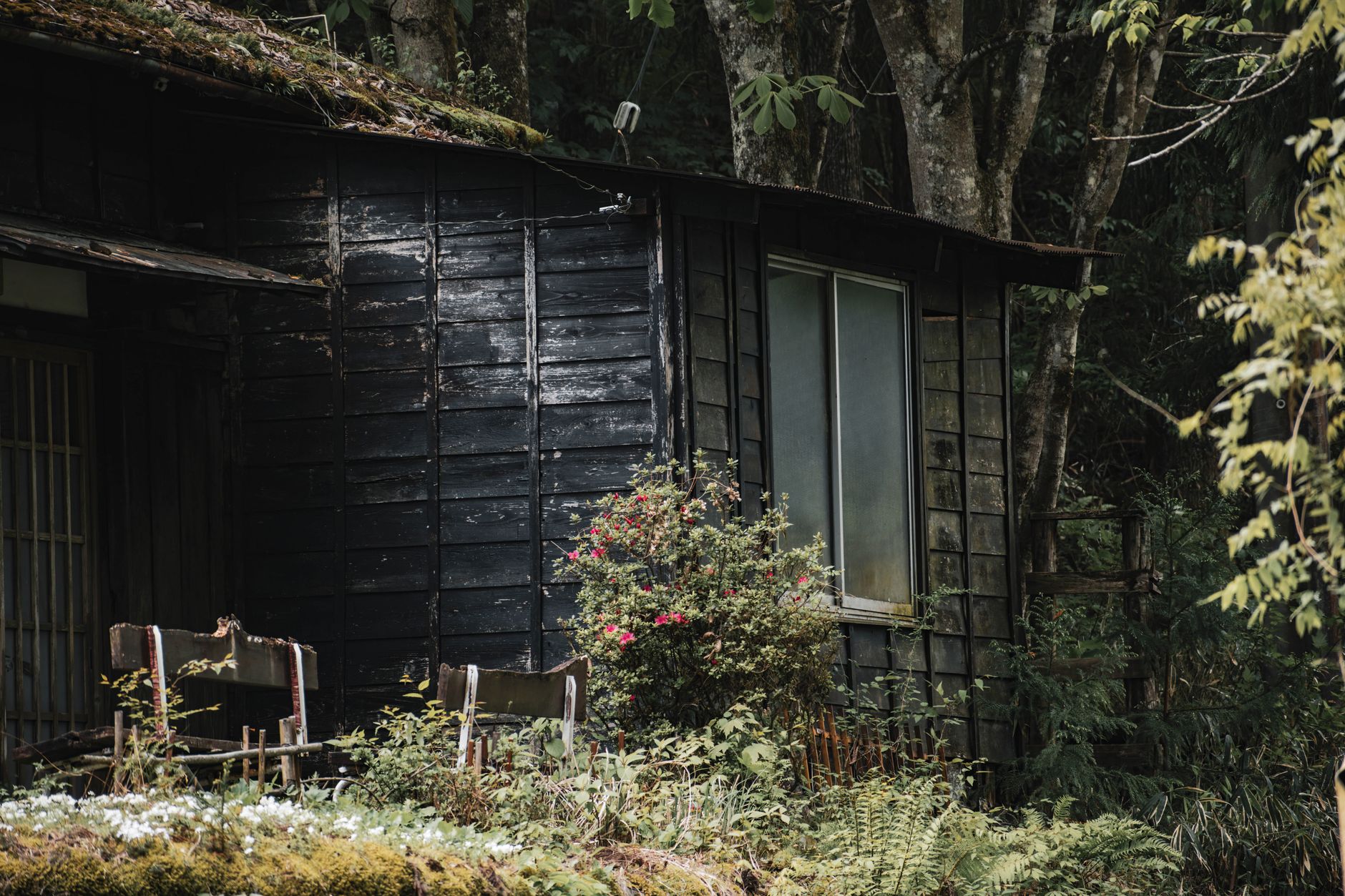
Echoes of Wood: Five Remote Japanese Ryokans
Article Navigation
To step across the threshold of a mountain ryokan in Nagano Prefecture is to leave the relentless velocity of the 21st century behind. As shoes are exchanged for tatami slippers and sliding shoji screens part with a gentle whisper, the senses readjust to the aromatic richness of untreated cypress and the cadence of mountain rain on cedar shingles.
1. The Architecture of Scent & Joinery
Japanese woodworking traditions avoid metallic fasteners wherever possible. The joinery flexes subtly with the change of seasons and temperature, allowing the structure to breathe. In these ancient inns, every room is stripped of excess decoration: an alcove known as a tokonoma hosts a solitary seasonal branch and a hanging calligraphy scroll.
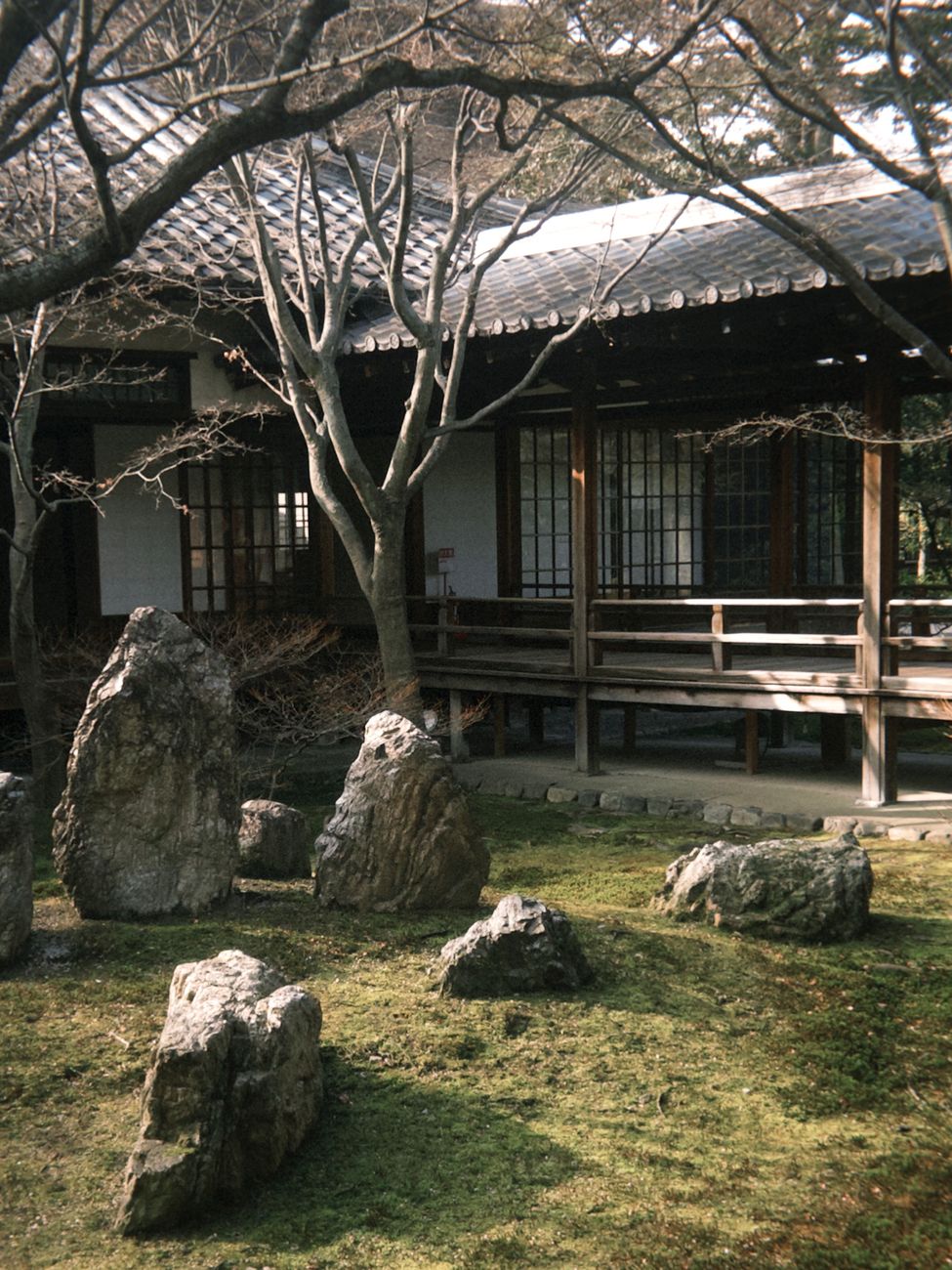
By limiting visual stimulation, the architecture directs attention outwards toward the moss garden, where raked gravel captures droplets of water and stone lanterns anchor the landscape.
2. The Ritual of Thermal Waters
Mineral baths (onsen) fed by subterranean volcanic springs are at the heart of the ryokan experience. Submerging into water scented with sulfur and pine while steam rises into crisp alpine air relaxes the central nervous system like few other earthly pleasures. The ritual is communal yet intensely private, grounded in cleanliness, mindfulness, and gratitude.
3. Seasonal Kaiseki as Ephemeral Art
Dinner in a traditional inn is an unhurried, multi-course progression that mirrors the immediate week of the lunar calendar. Mountain vegetables harvested that morning, sweet river trout grilled over binchotan white charcoal, and delicate dashi broths made with shaved bonito demonstrate a mastery of restraint.
4. Respecting Traditions & Booking Windows
Many of Japan's most historic family inns maintain only four to eight guestrooms. They do not participate in online booking engines; reservations must be requested months in advance through trusted cultural liaisons. Arrive promptly at the agreed hour, observe silence in the corridors, and embrace the rhythm set forth by your hosts.
Experience Rural Japan Without Crowds
Our bilingual team designs bespoke journeys through Yoshino, the Kiso Valley, and the Noto Peninsula.
Begin Itinerary Consultation