Minimalism in Red Stone: High Desert Lodging in Utah
Index of Reflections
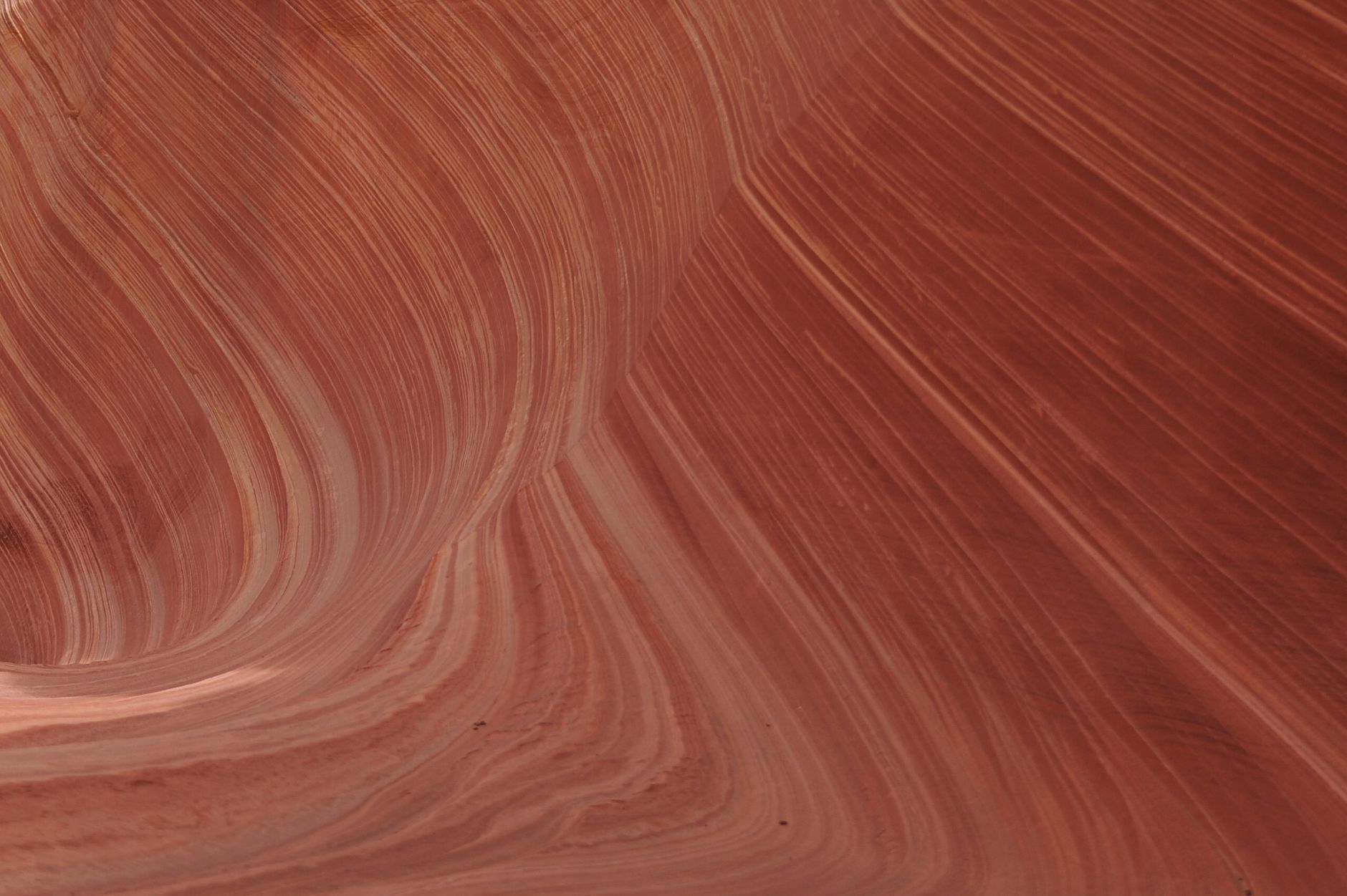
The Colorado Plateau does not negotiate. Its staggering canyons, carved across millions of years by wind and the Colorado River, create a sense of scale so vast that traditional residential forms collapse under the weight of the landscape. To build here requires profound humility and rigorous architectural discipline.
1. The Scale of Geological Time
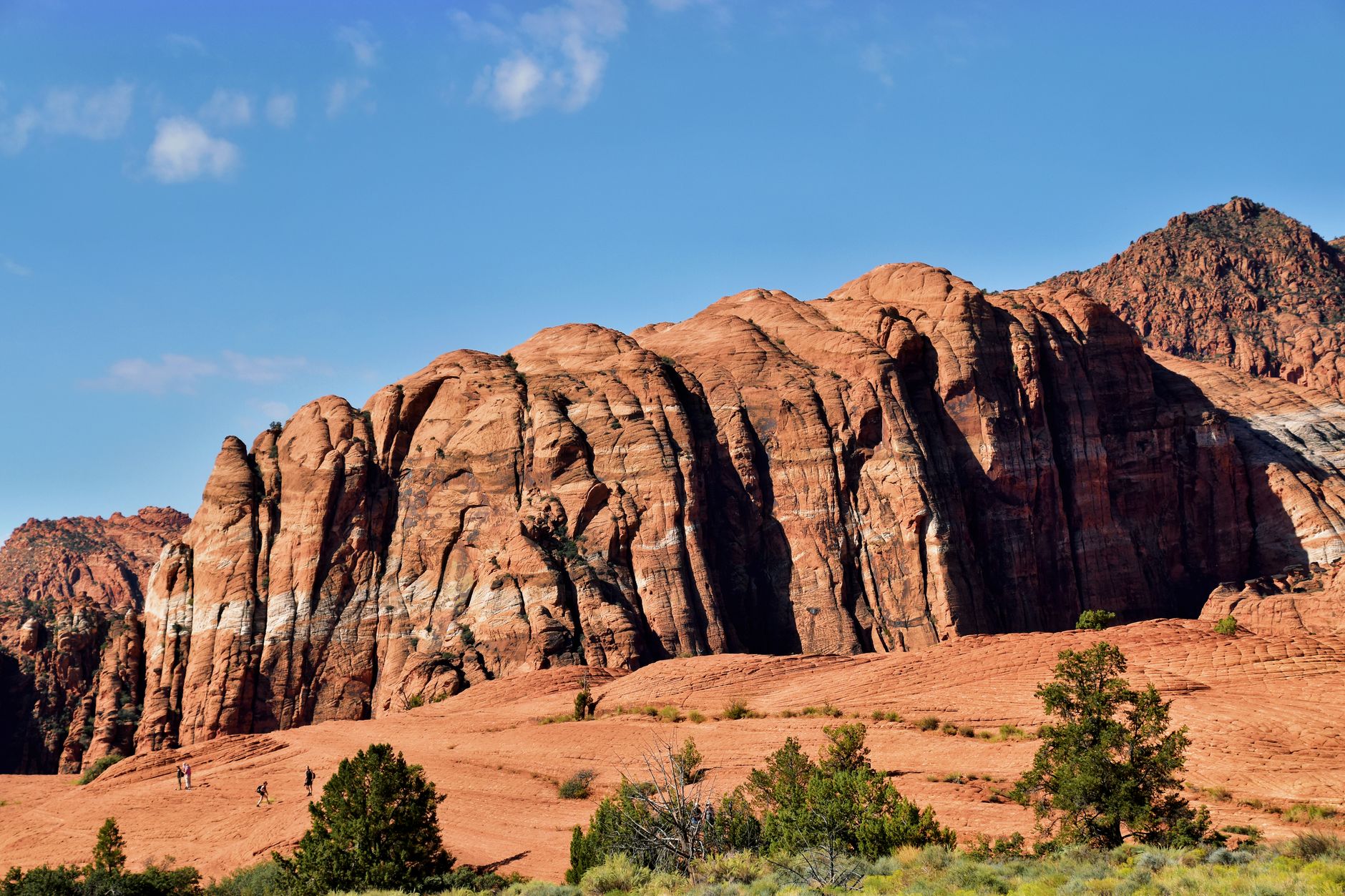
Standing on a sandstone mesa at twilight, watching shadows stretch across crimson bluffs, one is reminded of the ephemeral nature of human existence. The desert strips away pretension. For the traveler weary of metropolitan noise, this emptiness is not vacant—it is dense with clarity and contemplative weight.
2. Poured Earth & Monolithic Lines
The finest desert dwellings in southern Utah and Arizona blend seamlessly into their terrain. By mixing local sands directly into concrete and rammed-earth walls, architects achieve colors that match the surrounding rock strata. Low-slung horizontal rooflines mimic the desert horizon rather than piercing it.
Expansive glass facades disappear when opened, allowing dry desert breezes to circulate naturally, cooled by internal courtyards and reflective water basins.
3. The Astronomy of Absolute Darkness
Because the region is sheltered by designated Dark Sky reserves, nights in the canyon provide unmatched celestial visibility. The Milky Way arches from canyon rim to canyon rim like incandescent smoke. Without city glow, stars cast tangible shadows on the sand.
4. Navigating Desert Extremes
Midsummer brings blistering midday heat exceeding 100°F (38°C), making outdoor movement arduous between noon and five o'clock. The ideal passage occurs in October and November, or early spring when desert blossoms emerge and temperatures invite long hikes across slickrock.
Craft Your Desert Expedition
Our North America correspondents arrange private backcountry guides and secluded desert retreats.
Inquire About The Desert Route